Plant maxxing
I’m pretty sure eating plants is less bad than eating animals.
I got into a big argument with a close member of my family about this.
I think we can talk about this without using the c word at all. Consciousness is usually a tarpit that has claimed the lives of many an amateur armchair philosopher.
But I must’ve not been well slept, because I accidentally said. I said:
“We should probably eat fewer animals. Cows are probably more conscious than chickens, and chickens more conscious than carrots.”
I think this is a bad argument. Consciousness is a subjective experience, and we have no way to empirically validate it. It also is not even what we care about here.
In deciding what to eat, the consequentialist perspective is to reduce suffering, or pain. But how do we know if an organism experiences “pain”?
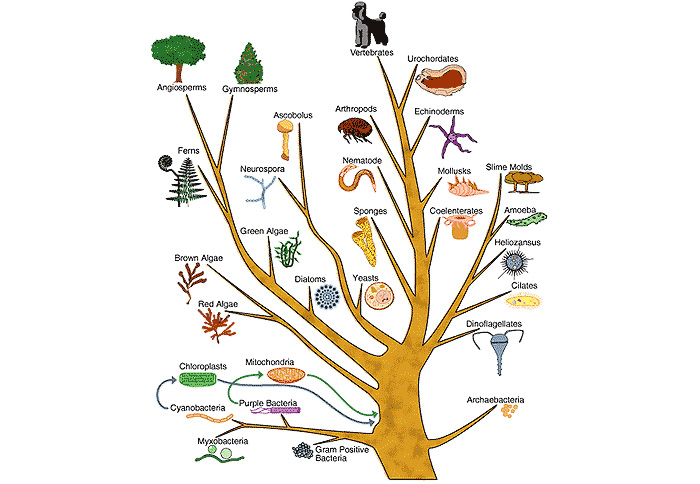
Source: Discover Wildlife
Let’s start with my 3rd favorite species, Homo sapiens.
Q: How do you know another human is experiencing pain?
A: They’ll tell you about it

Source: wikiHow
There are plenty of ways to tell if another human is going through it!
- Visual signs e.g. winces, grimaces
- Sounds e.g. cries, yelps
Let’s imagine that you were an alien. You come to Earth, and you see a creature (human) contorting its face. There’s no a priori way for you to realize that they are in pain.
But you or I would know that is the case, because we have the same experiences, and through theory of mind are able to empathize with others.
Cool! Can we apply this to other organisms?
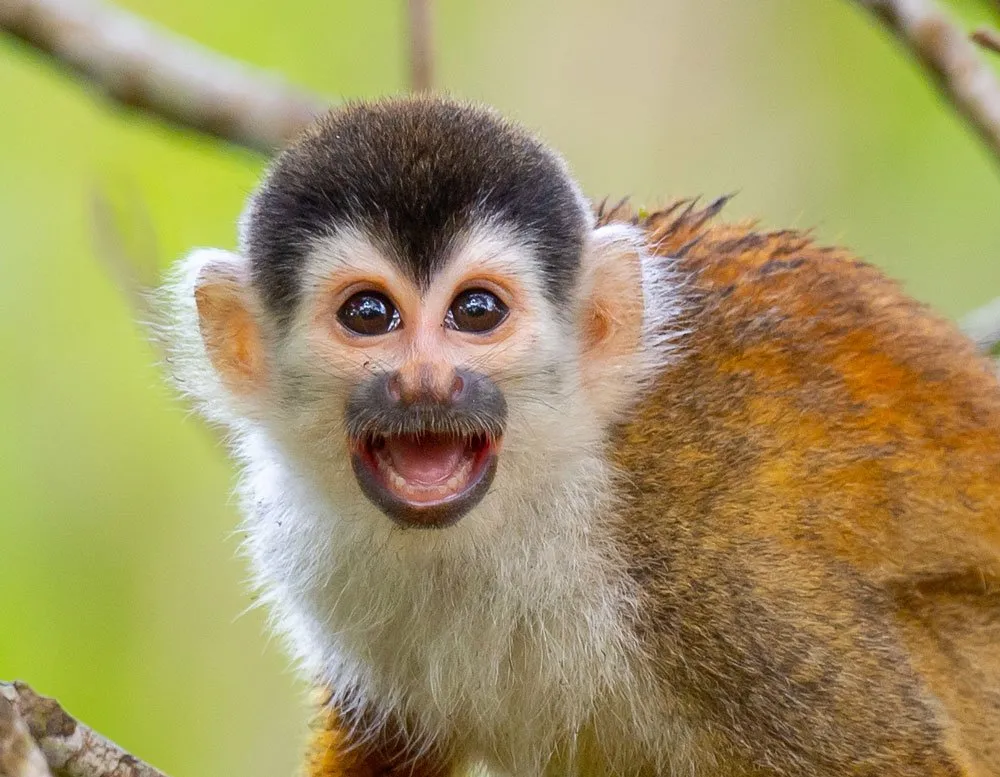
Squirrel monkey
It’s apparent that the squirrel monkey above is smiling (probably?).
But what’s going on here?
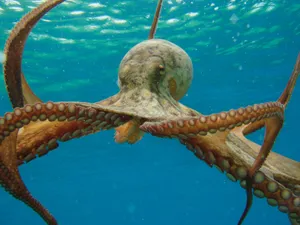
It’s not clear that the octopus experiences any less pain than the monkey, but if we just reason by analogy to humans, we’d be at risk of dismissing parallel branches of the evolutionary tree.
Octopuses are really smart. They can unscrew jars, build houses from coconut shells, and recognize humans. Again, they’re smart
.
Is there any way to estimate an organism’s capacity for pain, that doesn’t rely on anthropocentric biases?
Maybe we can consider how smart the organism is. Intelligence isn’t the same as the ability to experience pain, but all models are wrong, and this one may be somewhat useful. We have no direct way of measuring intelligence, but maybe we can plot some proxy number here, like the raw neuron count of an animal.
By this metric, an octopus is as smart as dogs, at 500 million neurons.
Here are a few more animals:
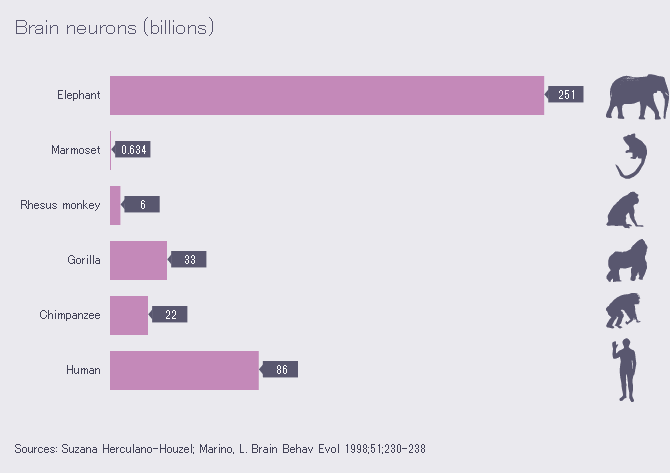
At a glance, we can conclude that elephants should own the earth.
Quick interlude on the parts of the brain!
When you picture the brain, you are probably thinking of the pink squishy outer part, aka the cerebral cortex.
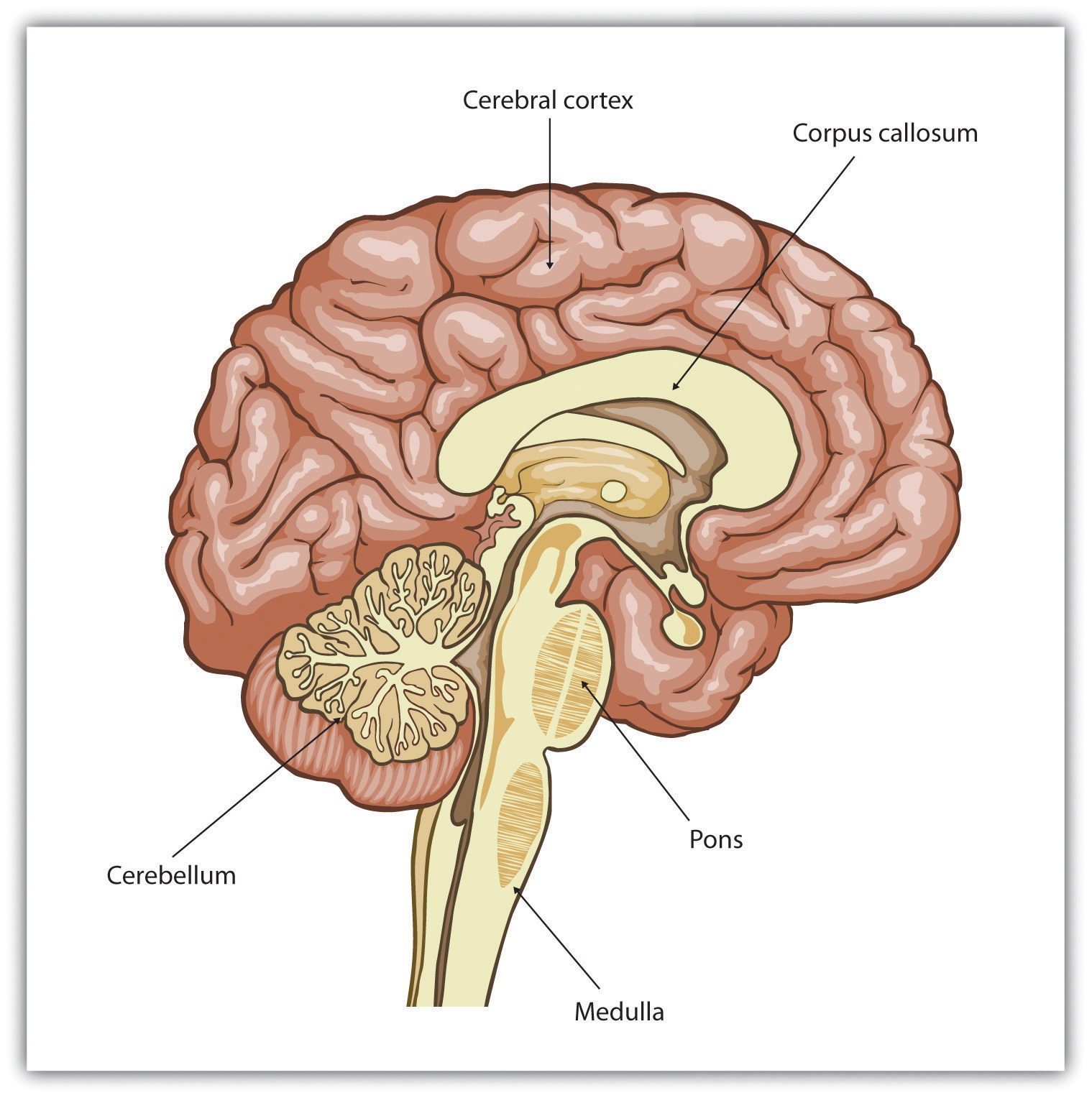
Source: Introduction to Psychology
The brain has other parts too, like the cerebellum.
It turns out that elephants have massive cerebella.
Are all parts of the brain equally relevant for cognition? At least for humans, they are not.
Most of our understanding of the human brain comes from studies of patients with brain damage. This is similar to (and the precedent for) “ablations” in machine learning research.
So we can use these case studies to estimate the importance of different parts of the brain. While both the cerebral cortex and cerebellum are quite important, damage to the cerebral cortex impacts cognition: planning, memory, vision, whilst the cerebellum is largely implicated in motor coordination.
I find it helpful to also consider the limit cases. What happens when there is a complete absence of either of these regions?
Individuals born with almost no cerebellum can sort of function in society, although with substantial cognitive problems (gait, speech, dexterity, learning). But those without a cerebral cortex
are profoundly disabled, and usually die before birth, or within their first year of life.
This suggests that maybe cortical neuron count is a better proxy for intelligence.
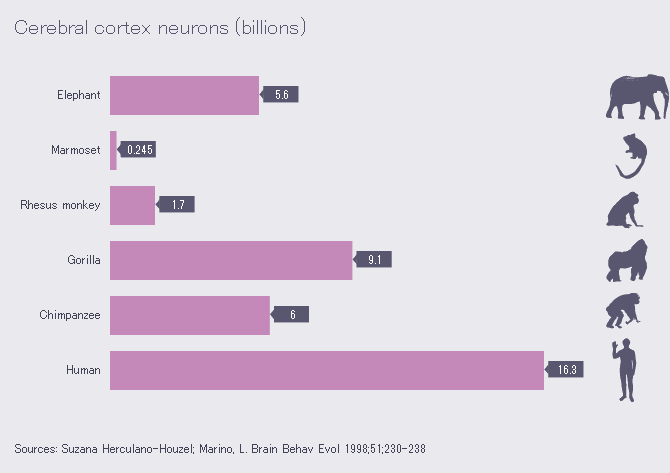
Wait a second. Is this a massive psy op to put humans back at the top? I find the lesion studies to be fairly strong evidence for the cerebral cortical count as a more reliable proxy, but in general, it is good to be skeptical when reading results in neuroscience.
Octopuses don’t have a cerebral cortex. Their brains evolved very differently from ours!
So take all of this with a huge vat of salt and hopefully go and do some more secondary (and even primary) research.
If you’re wondering where I got these numbers, there is a Wikipedia page that lists all many animals by number of neurons.
Naturally, I had to ask: how the heck do we count neurons?
It looks a lot like making soup. Colorful soup, to be exact. First, we add DAPI
, a fluorescent stain that binds to all cells. Then we add NeuN
, a protein that binds only to neurons. An isotropic fractionator dissolves the brain in solution. We can count the NeuN colored cells to determine the number of neurons. There is ongoing research into the reliability of the method
.
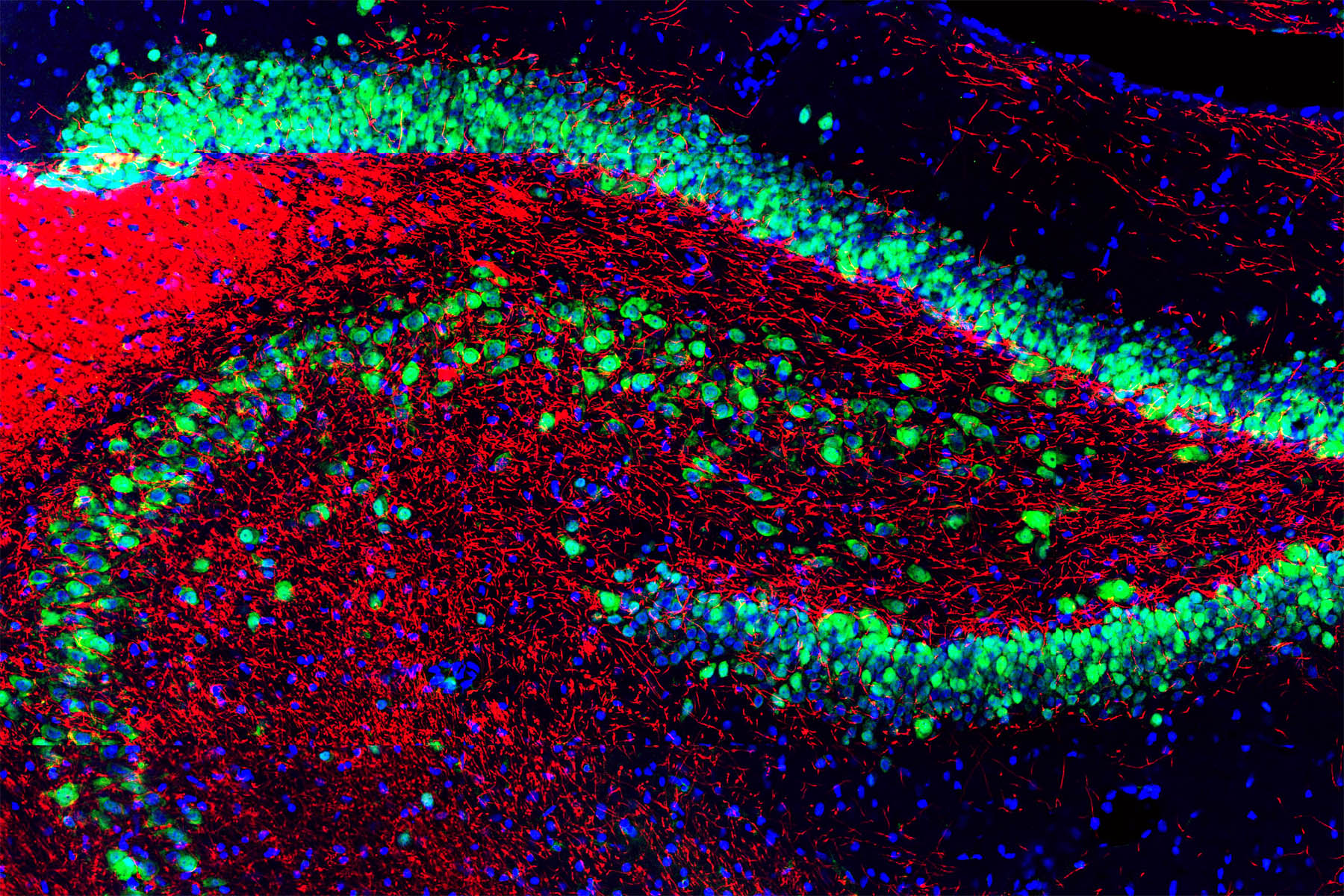
NeuN · Source: Wikipedia
A better method would be to preserve the whole brain, instead of liquefying it. This is what whole-brain connectomics is about. We just mapped a whole fruit fly connectome (i.e. the neurons and synapses and everything else).
Speaking of sources of error, it is worth noting that some of these numbers come from single organism samples! Yes, we have done this procedure for exactly one elephant. (The error bars are left as an exercise for the reader)
Even if we get to perfect measurement and emulation of brains, we might still not be considering the right metrics. Our notion of intelligence is still highly biased by anthropocentricity.
And this method is hard to extend to organisms without a central nervous system — insects and plants included.
Is there any reason to believe that plants feel pain?
- Plants use long-distance ion channels
(Ca2+) to transmit messages. If a leaf is being bitten, it can alert other leaves of this. Some plants, such as Mimosa pudica, are capable of moving in response to stimuli.
- Plants make sounds when they haven’t been watered. They’re at a frequency that the human ear cannot hear.
The question of whether plants have capacity for suffering is, with current science and technology, an unfalsifiable one. It may seem epistemically humble to be agnostic when it comes to our diet and non-preferentially choose which organisms we consume. It’s a dog-eat-dog world, so let’s all be omnivores.
Maybe we are the zombies · Source: The Verge
But even if we wanted to privilege plants, it would still make sense to eat more plants!
Animals eat plants, and we eat animals. Because only ~10% of energy is transmitted, more plants end up being consumed in a carnivorous diet!
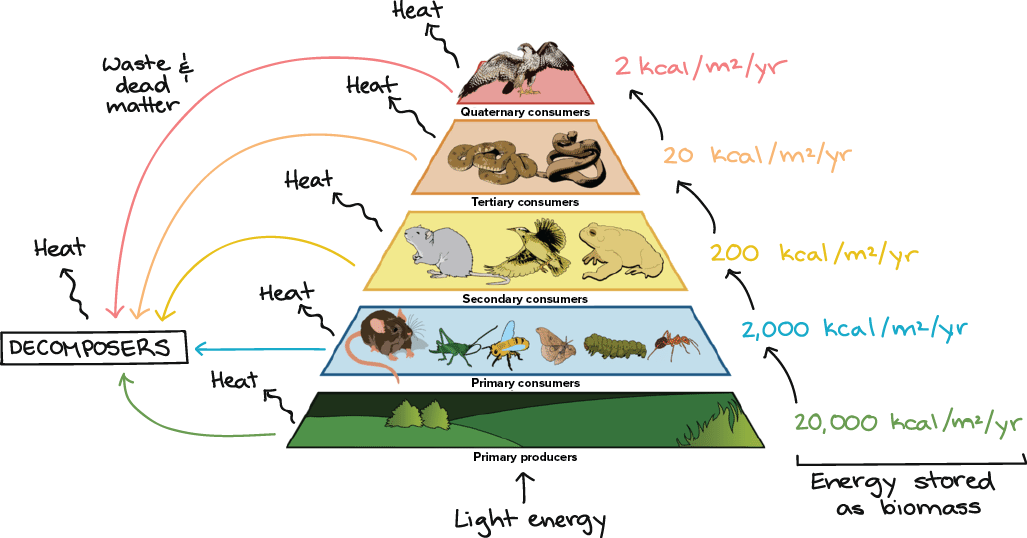
Source: Khan Academy
I think it’s fairly clear that the evidence in support of eating plants is stronger than that for eating animals, if our goal is to minimize suffering.